
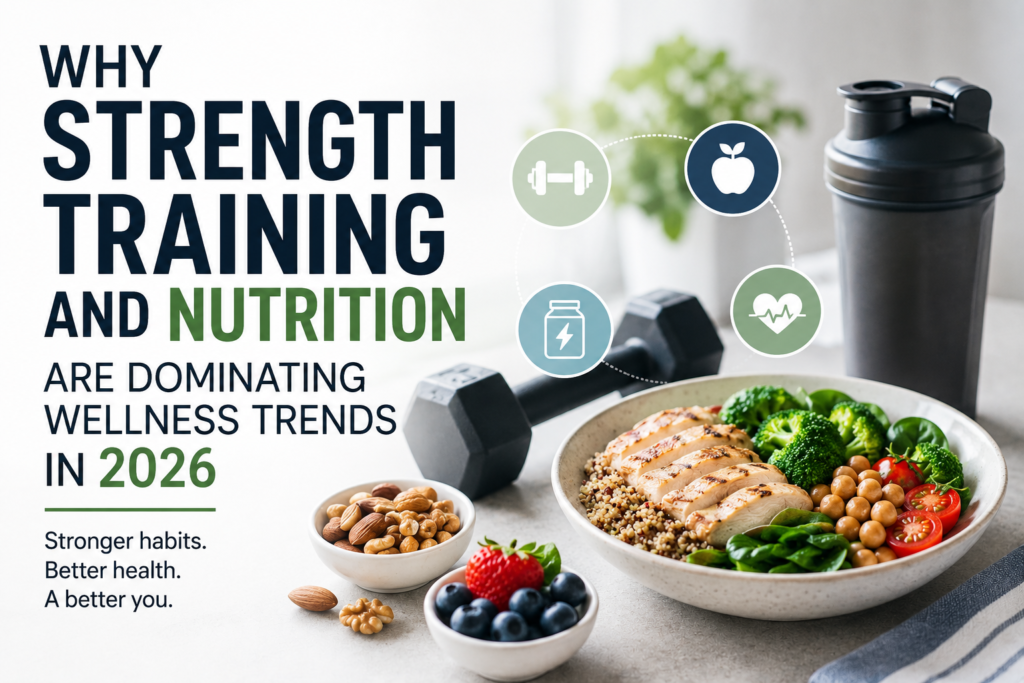
A few years ago, most wellness trends focused heavily on weight loss.
Now the conversation looks completely different.
In 2026, more people are prioritising strength, energy and long-term health over quick fixes and crash diets. Social media feeds are filled with workout routines, protein-packed meals and discussions about recovery rather than endless “before and after“ transformations.
Strength training and nutrition have become the centre of modern wellness culture and it’s changing the way people think about health completely.
The Shift Away From Traditional Diet Culture
For years, the wellness industry revolved around cutting calories and trying to get smaller. But recently, attitudes have started to shift.
People are becoming more interested in:
- Feeling stronger
- Improving energy levels
- Sleeping better
- Maintaining muscle as they age
- Building sustainable habits
Instead of asking, “How quickly can I lose weight?“, many people are now asking, “How can I feel healthier long term?“
That change has helped strength training become one of the fastest-growing fitness trends worldwide.
Why Strength Training Has Become So Popular
Strength training used to be associated mainly with athletes and bodybuilders. Today, it’s become far more mainstream.
Walk into almost any gym now and you’ll see people of all ages lifting weights, using resistance machines or following beginner-friendly strength workouts. Even people who once avoided gyms are becoming more comfortable with resistance training thanks to online fitness creators making workouts feel more accessible.
Part of the appeal is that strength training supports more than just appearance. Many people say they feel:
- More energetic
- More confident
- Stronger in daily life
- More motivated to stay active
It also fits well with busy modern lifestyles. A focused 45-minute strength session can feel more achievable than spending hours doing cardio.
Nutrition Is Becoming Simpler
At the same time, nutrition trends are becoming less extreme.
Instead of highly restrictive diets, many people are returning to basics:
- Eating more protein
- Choosing whole foods
- Reducing ultra-processed snacks
- Drinking more water
- Focusing on consistency rather than perfection
High-protein meals in particular have become incredibly popular. From Greek yogurt breakfasts to simple homemade protein snacks, people are looking for foods that help them stay full, energised and satisfied throughout the day.
The idea of “eating for performance“ is no longer limited to athletes. Everyday consumers are now applying those same habits to improve work, sleep and general wellbeing.
Social Media Has Changed the Wellness Industry
Platforms like TikTok, Instagram and YouTube have completely reshaped how people learn about fitness and nutrition.
A single video showing a realistic workout routine or easy high-protein meal can reach millions of people overnight. Unlike traditional fitness marketing from the past, modern wellness content often feels more relatable and achievable.
There’s also been a noticeable rise in creators promoting balance instead of extremes. Walking, mobility work, recovery and realistic eating habits are all becoming part of the conversation.
This has helped wellness culture feel more inclusive and sustainable than it did a decade ago.
Recovery Is Now Part of the Routine
One of the biggest changes in fitness culture is the growing focus on recovery.
People are beginning to understand that health isn’t just about pushing harder in the gym. Sleep, stress management and nutrition all play a huge role in performance and wellbeing.
Recovery-focused habits like:
- Higher protein intake
- Better sleep routines
- Stretching and mobility
- Hydration
- Rest days
are becoming just as important as workouts themselves.
For many people, wellness in 2026 is less about extremes and more about building routines they can actually maintain.
Why These Trends Are Likely to Continue
The popularity of strength training and nutrition doesn’t look like it’s slowing down anytime soon.
As more research emerges around healthy ageing and muscle maintenance, people are becoming increasingly aware that strength matters throughout life, not just for athletes.
At the same time, consumers are becoming more sceptical of fad diets and unrealistic transformation culture. Sustainable habits are replacing short-term fixes, and that’s reshaping the entire wellness industry.
The result is a healthier, more balanced approach to fitness that feels more achievable for everyday people.
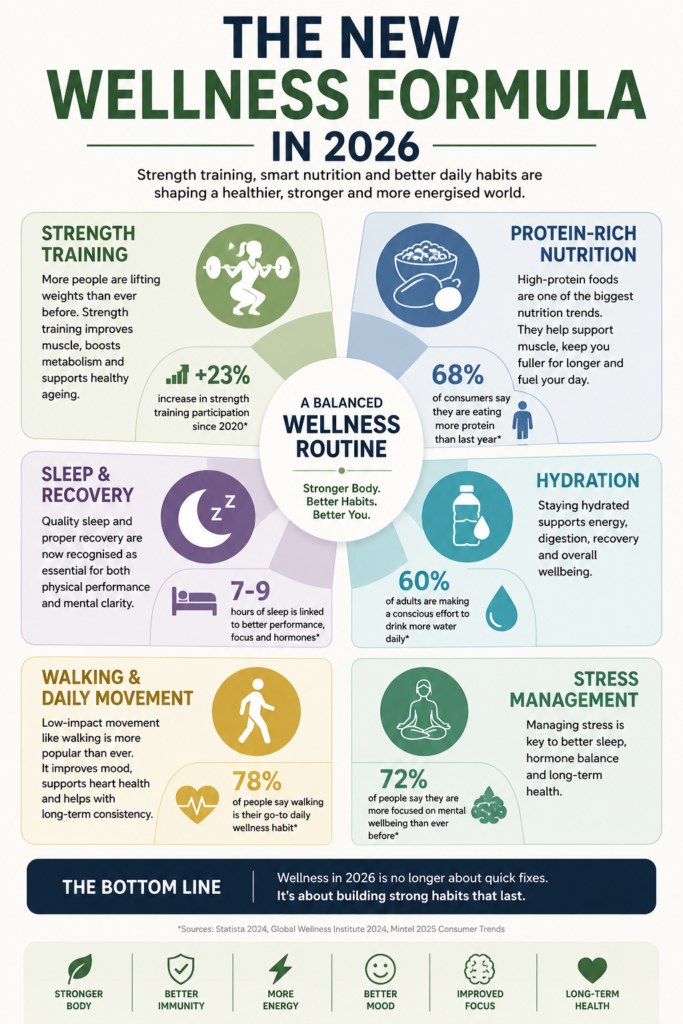
The biggest wellness trend of 2026 isn’t a miracle diet or a viral detox.
It’s a much more balanced approach to health.
People are learning that getting stronger, eating better and recovering properly can have a huge impact on how they feel every day. And unlike many short-lived trends, these habits are practical enough to last long term.
That’s why strength training and nutrition are no longer niche fitness topics, they’ve become part of mainstream modern life.
Book a Free Wellness Evaluation
Reach Us
Location:
Croxteth Park Nutrition, St Mary’s Millennium Centre, West Derby, Liverpool L12 5EA
Opening Hours:
Mon: 6:30 am – 11 am
Tues: 6:30 am – 11 am
Wed: 6:30 am – 11 am
Thurs: 6:30 am – 11 am
Fri: 6:30 am – 11 am
Sat: 7 am – 11 am